
In short
Green tomatoes can become a useful pickle when the harvest ends before every fruit ripens. For jars intended to stand on a shelf, the recipe and processing method are a food-safety system. A familiar taste is not proof that an improvised jar will keep safely.
Green tomatoes can become a useful pickle when the harvest ends before every fruit ripens. For jars intended to stand on a shelf, the recipe and processing method are a food-safety system. A familiar taste is not proof that an improvised jar will keep safely.
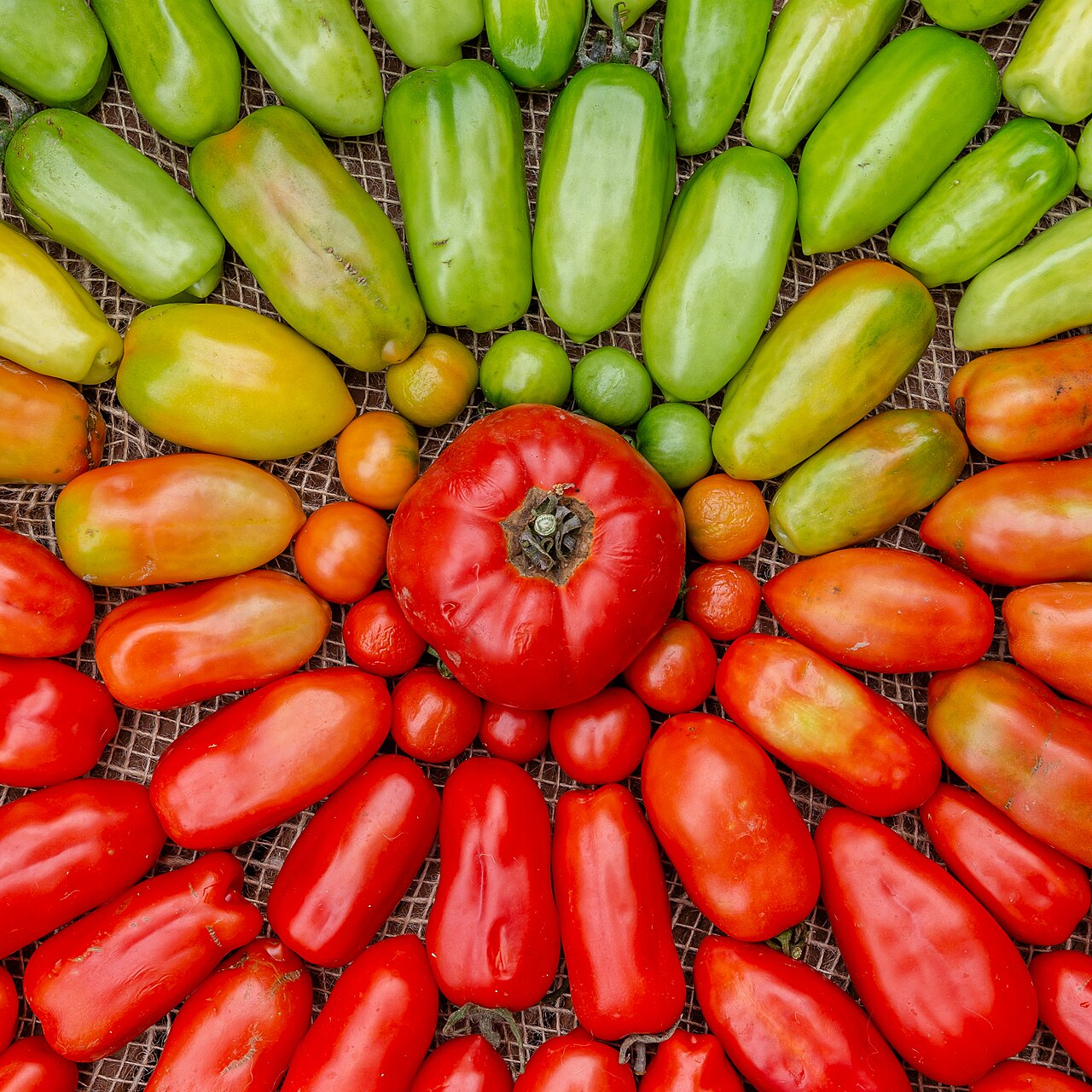

From the Namibian discussions
A saved message warmly recalled a family green-tomato pickle recipe. The available message did not provide a complete, validated preservation procedure. Keep that food tradition in the wiki, while directing shelf-stable preparation to a tested recipe with clear measurements and processing instructions.
Choose the storage method first
Decide whether you want a refrigerated product or a properly processed shelf-stable preserve. They are not interchangeable. Use the National Center for Home Food Preservation’s tested guidance for the exact product, and read the whole recipe before preparing tomatoes. If it specifies refrigeration, keep it refrigerated.
Keep the safety-critical proportions
Do not reduce the specified vinegar strength or acidity, enlarge jars or shorten processing to suit available equipment. A sealed lid alone does not show that the contents were safely processed. If adapting a family recipe, ask a qualified food-preservation service which changes are acceptable instead of guessing.
Prepare a clear batch record
- Record the tested recipe title and source, with any permitted adjustments.
- Check that jars, lids and equipment match the method.
- Follow the recipe’s altitude instructions for your actual location.
- Label the finished batch with the date and storage instructions, and retain the recipe with it.
Keep the tradition alongside the method
Write down the family story, serving suggestions and flavour memories separately from the preservation instructions. That preserves cultural knowledge without turning an incomplete recipe into a shelf-storage claim. If selling or distributing jars, obtain the applicable local food-business guidance as well.
Namibian climate and microclimate
Much of inland Namibia lies well above sea level, while coastal kitchens do not. Altitude affects boiling-water processing instructions. Hot transport and unreliable refrigeration also matter; choose a preservation and distribution plan that your household can actually maintain.
Your first practical step
Open a tested green-tomato recipe and check its jar size, vinegar specification, altitude adjustment and storage method before buying ingredients.
Keep exploring
Sources and further reading
- National Center for Home Food Preservation: unripe tomatoes
- National Center for Home Food Preservation: pickling
Have you tried this in Namibia? Share the site conditions, method and result—including what did not work—with the Living Earth community. Local observations help the next person adapt the idea.
Worthwhile videos
Made by others, mostly outside Namibia: watch for the idea, then adapt it to our dry climate.
Watch: University Extension pickling video collection
Publisher: University of California Master Food Preserver / university extension contributors
Country and context: USA; presenters and locations vary.
Choose the introductory pickling lesson. Use a complete tested recipe for the actual product rather than substituting green tomatoes into another recipe.
Use the food-preservation lesson for technique, but follow the complete tested recipe for the actual tomato product and your altitude.
Keep exploring
Tomato harvest: sort, ripen and store with less waste
The easiest storage improvement may be to separate tomatoes by condition and ripeness immediately after harvest. A damaged ripe fruit and a sound mature green fruit need…
Rocket stoves: choose a practical cooker and measure the fuel saved
A well-designed rocket stove directs heat from a small wood fire toward a cooking pot. It can make everyday cooking more economical, but performance depends on the stove,…
Rodents around gardens and food stores: reduce access and losses
Rodent problems often connect several places: a feed store, rubbish area, chicken enclosure and vegetable bed.
Milk hygiene and pasteurisation: understand what a test can tell you
Clean milking and careful handling matter, but they do not make raw milk reliably safe to drink. Pasteurisation is a separate protective step, and milk still needs approp…